





Year-Round Essentials: Your Swiss Foundation
Embarking on a Swiss adventure? There are a few essential items you'll want to have readily available to ensure a smooth journey. First and foremost, double-check your travel documents and ID. Your passport must be valid for at least six months beyond your intended departure date—this is crucial for a hassle-free entry into the country.
Next on your list should be a universal power adapter. Switzerland utilizes type C and J plugs, and operates on a standard voltage of 230V. Without the proper adapter, you’ll find yourself unable to charge your devices, which can be quite frustrating during your travels.
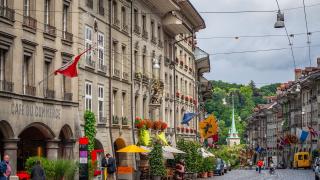
Switzerland’s charming cities are best explored on foot, so don’t forget to pack a pair of comfortable walking shoes. The cobblestone streets of Zurich and Lucerne can be tough on the feet, and you’ll want to relish your strolls, not dread them.
For your daily needs, include basic toiletries and any necessary medications. Although Swiss pharmacies are well-stocked, they can be quite pricey, so it's a good idea to bring what you’ll need from home.
Lastly, a reusable water bottle will serve you well throughout your travels. With clean, safe tap water available almost everywhere, you'll save money and help reduce plastic waste. Having these essentials ready will enhance your travel experience in Switzerland, allowing you to focus on the stunning landscapes and rich culture that await you.
Summer Vibes: Embrace the Alpine Sunshine
Switzerland in summer is a delightful experience, with temperatures ranging from 18°C to 28°C (65°F to 82°F). To stay comfortable while exploring, it’s wise to pack lightweight, breathable clothing. Quick-dry t-shirts and airy shorts are excellent choices, available at stores like Mammut and The North Face, typically priced between CHF 40 and CHF 120.
Unexpected rain showers are common in the mountains, so equip yourself with a reliable waterproof layer. Opt for a lightweight, packable rain jacket, which you can usually find for around CHF 100. This way, you’ll stay dry while hiking without adding unnecessary weight to your pack.
Sun protection is another vital aspect of your summer gear. Choose a sunscreen with at least SPF 30, especially for those higher-altitude hikes. A wide-brimmed hat and polarized sunglasses can shield you from the intense Alpine rays. When it comes to footwear, comfortable sandals or sturdy hiking shoes are essential, particularly if you plan to tackle iconic trails like the Aletsch Glacier. A daypack in the 20-30 liter range will be ideal for carrying your essentials while allowing you to soak in the stunning scenery unencumbered.
Autumn's Palette: Layer Up for Comfort
As autumn unfolds in Switzerland, the landscape transforms into a breathtaking display of colors. However, the weather can be unpredictable, with daytime temperatures reaching around 15°C (59°F) while brisk mornings can start off at about 8°C (46°F). Layering is your best strategy for staying cozy throughout the day. Begin with a comfortable t-shirt, add a long-sleeve shirt, and top it off with a light sweater for warmth. A waterproof jacket or windbreaker is crucial, particularly if you plan on hiking the picturesque trails of the Swiss Alps or wandering through charming cities like Lucerne.
Sturdy hiking boots are essential for navigating trails that may be slick with fallen leaves or rain. Don’t underestimate the value of accessories; a warm scarf and gloves can make a significant difference in keeping the chill at bay.
While soaking in the beauty of Switzerland, carry a small notebook to capture those unforgettable moments, whether it’s a breathtaking view from Mount Rigi or a delightful meal enjoyed in a cozy chalet. You can easily find a nice notebook for around 15 CHF at local bookstores. Preparing for autumn adventures in Switzerland may require some thought, but the vibrant landscapes and unique experiences you’ll discover make it all worthwhile.
Winter Wonderland: Gear Up for the Chill
Switzerland's winter landscape is a magical experience waiting to be explored. To make the most of your time in this snowy paradise, packing the right gear is crucial. Start with warm base layers; thermal tops and bottoms are non-negotiable for staying comfortable in the cold. Brands like Icebreaker offer high-quality merino wool options starting at around CHF 80, a worthy investment for warmth and breathability.
Next, add insulated mid-layers to your kit. A cozy fleece jacket or a down vest can provide that extra warmth, typically priced around CHF 150. These layers can be easily adjusted to suit changing temperatures throughout the day.
When venturing into the snowy Alps, a waterproof outer layer is essential to shield against the elements. Look for durable jackets from brands like Mammut or The North Face, generally priced around CHF 300. Proper thermal socks and gloves enhance your comfort; a solid pair of each usually costs about CHF 25.
If skiing is on your itinerary, ensure you pack your ski gear, including goggles and helmets. However, if you prefer not to bring your own, resorts like Zermatt offer rentals for around CHF 50 a day.
Lastly, consider travel insurance if you plan on engaging in winter sports. Policies can start at approximately CHF 20 for a week, providing peace of mind against unexpected mishaps. With this thoughtfully curated gear, you’ll be fully equipped to embrace the beauty of Switzerland's winter wonderland.
The Art of Packing Light: Travel Smart
Packing light for Switzerland requires a thoughtful approach. Begin by selecting clothing that offers versatility. A lightweight, waterproof jacket is a must-have for those unpredictable summer rain showers and the briskness of spring days. Pair this with breathable hiking pants and a few moisture-wicking t-shirts that can be layered for added warmth or comfort. When it comes to footwear, shoes can quickly consume your luggage space, so aim to bring just two pairs: one comfortable option for city strolling and another sturdy pair for hiking adventures.
To keep your suitcase organized, consider using packing cubes. They help separate your items, making it easy to find what you need without rummaging through everything. If your trip extends beyond a few days, plan for laundry days. In Lucerne, for example, there's a convenient laundromat near the train station, allowing you to wash clothes while you enjoy the sights of the city.
Bulky items can weigh you down, especially when navigating public transport, so leave heavy coats or extra shoes at home. Instead, opt for thermal base layers in winter. These lightweight yet warm pieces provide comfort during skiing or hiking excursions in the Alps, ensuring you stay cozy without the extra bulk. By following these strategies, you can explore Switzerland with ease and style while making the most of your travel experience.