

Traditions at a Glance
Swiss traditions are deeply regional and shaped by four national languages.
Punctuality is a core value. Swiss trains and events run on time. Local festivals, like Basel Fasnacht, start at 4:00 a.m. sharp.
Greeting customs differ: in German-speaking areas, expect a firm handshake. In French-speaking regions, three cheek kisses are common.
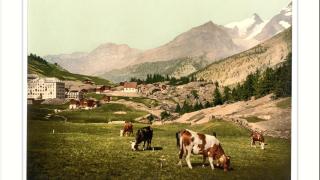
Alpine cow parades (Alpabfahrt) occur each autumn. Farmers decorate cows with bells and flowers. Parades are free to watch in villages like Appenzell.
Yodeling and alphorn performances are traditional in mountain cantons. Performances often take place at summer festivals. Entry fees range from CHF 10–25.
Quiet hours (Ruhezeiten) are strictly observed. No loud noise is allowed from 10 p.m. to 7 a.m. in most towns.
Local food traditions include fondue in Romandie and rösti in Bern. Many families gather for Sunday brunch (Zmorge) with local cheeses and breads.
Understanding these customs helps travelers connect with locals and avoid misunderstandings. Respect for tradition is expected everywhere.
Festivals Worth Experiencing
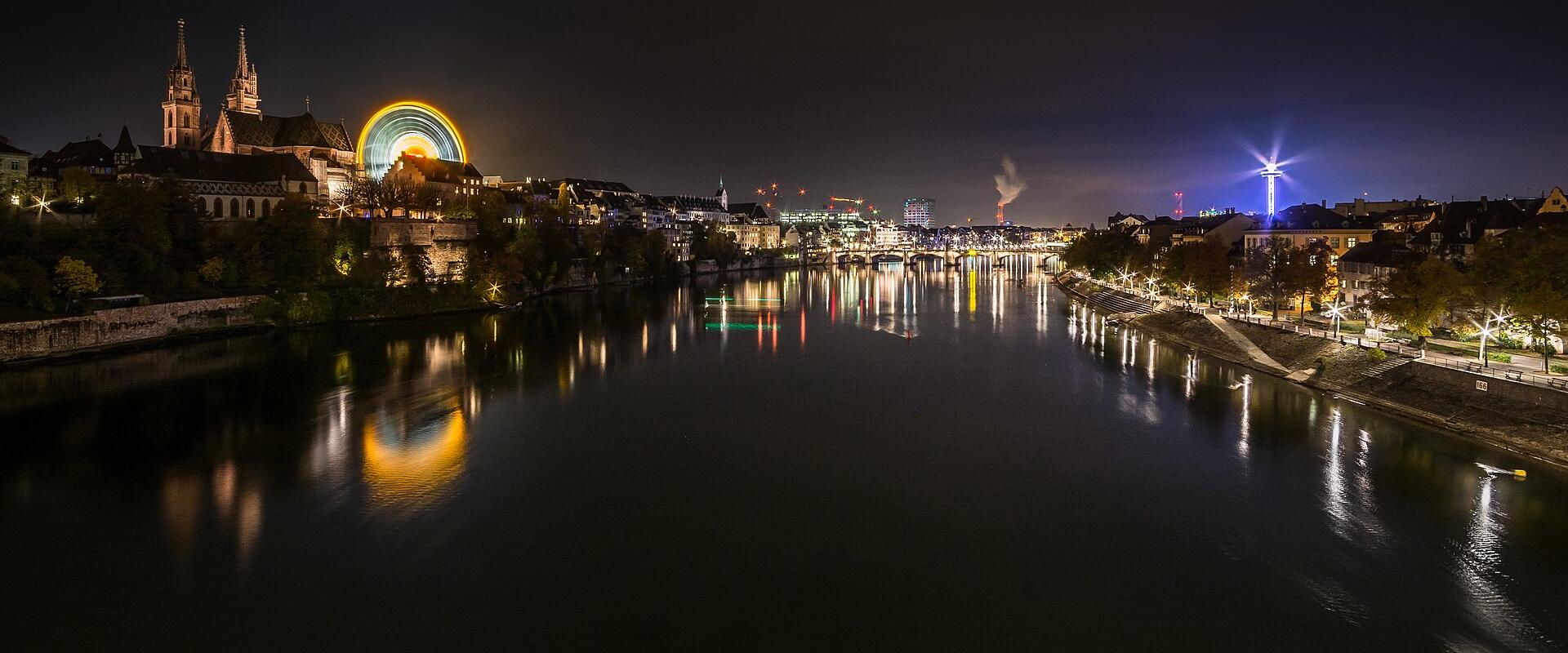
Fasnacht is Switzerland’s largest carnival. Basel Fasnacht starts at 4:00 a.m. on the Monday after Ash Wednesday. Parades, masked participants, and lantern displays fill the old town for 72 hours. Entry is free. Lucerne’s Fasnacht features elaborate costumes and Guggenmusik bands. Festivities last six days, ending on Shrove Tuesday.
Sechseläuten is Zurich’s spring festival. It takes place on the third Monday in April. Locals parade in historical guild costumes. The event ends with the burning of the Böögg, a snowman effigy. The faster the Böögg’s head explodes, the better the summer forecast. Visitors can watch for free along the Limmatquai.
Alpabfahrt (also called Désalpe or Alpabzug) marks the cattle descent from alpine pastures. It occurs in September in villages like Appenzell, Gruyères, and Saanen. Farmers wear embroidered vests and hats. Cows are decorated with flower crowns and large bells. Parades are often followed by cheese markets and folk music. Entry is usually free; local cheese tastings cost CHF 5-10.
Tips for visitors:
- Arrive early for good viewing spots.
- Dress warmly; events are outdoors.
- Respect barriers and local customs.
- Photography is allowed, but ask before close-ups.
- Public transport runs late during major festivals.
Culinary Customs & Rituals
Fondue is a winter tradition in Switzerland. Locals share melted Gruyère and Emmental cheese in a communal pot. Each person dips bread cubes using long forks. Fondue is common in mountain chalets and city restaurants. Prices range from CHF 25–35 per person. Raclette is another ritual. Slices of Valais cheese are melted and scraped onto potatoes and pickles. Raclette is popular at home and in alpine restaurants. Rösti is a Swiss-German specialty. It is a crispy potato dish, often served for breakfast or as a side. Basler Läckerli is a spiced biscuit from Basel, made with honey, nuts, and candied peel. Swiss meal times are early. Lunch is usually from 12:00–13:30. Dinner starts around 18:30–20:00. Social dining is important. Meals often last two hours or more. Toasting is customary. Say "Prost" in German, "Santé" in French, or "Salute" in Italian. Maintain eye contact when toasting. Do not start eating until everyone is served. Hands should rest on the table, not in the lap. Authentic cuisine is found in Gasthäuser (inns) and Berghütten (mountain huts). Local specialties vary by canton and season.
Everyday Etiquette Essentials
Swiss greetings are formal. A firm handshake with eye contact is standard in business and daily life. In French-speaking areas, three cheek kisses—left, right, left—are common among friends. In German-speaking regions, a handshake is preferred, even with acquaintances. Punctuality is strict. Arriving even five minutes late is considered rude. Quiet hours ("Nachtruhe") apply from 10:00 p.m. to 7:00 a.m. in most cantons. Loud music or vacuuming during these hours can result in fines of CHF 100 or more. Gift-giving follows clear rules. When invited to a Swiss home, bring flowers (never red roses or lilies), or a box of Luxemburgerli macarons. Gifts are opened immediately. Avoid giving expensive items. Dress codes are conservative. In cities like Zürich or Geneva, smart-casual attire is expected in restaurants and theaters. Jeans and sneakers are acceptable only in informal settings. Personal space is valued. Stand at least an arm’s length apart when speaking. Never ask personal questions about salary, religion, or politics. Privacy is respected in public and private life. Avoid loud conversations on trams or trains. Swiss etiquette emphasizes discretion, respect, and order in all daily interactions.
Appenzell’s Alpabfahrt: Each September, decorated cows parade through Appenzell villages. Farmers wear traditional red vests. Cowbells, or Trycheln, are hand-forged and can weigh up to 15 kg. Spectators gather early; processions start at sunrise. No entry fee.
Bern’s Zibelemärit (Onion Market): Held every fourth Monday in November. Over 50 tons of onions are braided and sold at stalls. Onion tarts and confetti battles fill the old town from 5 a.m. Entry is free.
Yodeling and Alphorn: Yodeling is common in central Switzerland, especially in canton Uri. Alphorn performances occur at summer festivals. Instruments can reach 3.5 meters.
Language and Dialects: Swiss German, French, Italian, and Romansh are official. Dialects like Bärndütsch (Bernese German) differ even between neighboring villages.
Joining Local Events: Respectful dress is expected. Ask before taking photos. Many events are free; donations are welcome.
Traveler’s Tradition Toolkit
Quick etiquette checklist:
- Always greet with "Grüezi" (Swiss-German), "Bonjour" (French), or "Buongiorno" (Italian).
- Remove shoes when entering Swiss homes. Offer a small gift if invited.
- Respect quiet hours: 22:00–07:00. No loud music or parties.
Useful phrases:
- Swiss-German: Danke (Thank you), Bitte (Please), Wie gaht's? (How are you?)
- French: Merci, S'il vous plaît, Comment ça va?
- Italian: Grazie, Per favore, Come va?
Finding local events:
- Check Gemeinde (municipality) notice boards for festivals like Sechseläuten or Désalpe.
- Visit local tourism offices. Entry fees: CHF 5–25 for most village festivals.
- Swiss event calendars: myswitzerland.com, local.ch.
Participation guidelines:
- Wear traditional dress only if invited.
- Ask before taking photos at private celebrations.
- Follow local customs for toasts: maintain eye contact, say "Prost!" or "Santé!"
Learn more:
- Swiss National Museum (Zurich), Ballenberg Open-Air Museum (CHF 16–28 entry).
- Swissinfo.ch for cultural articles.