
Hotel Landscape at a Glance
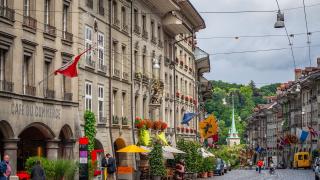
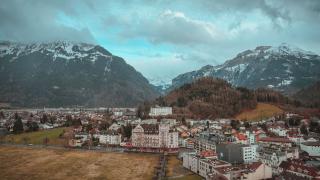
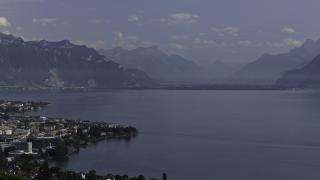
Hotels in Switzerland range from luxury five-star resorts to simple family-run Gasthäuser. Many Swiss hotels are historic, some dating back to the 19th century. International chains like Mövenpick and Swissôtel are present in major cities such as Zürich and Geneva. Alpine regions, including Zermatt and St. Moritz, offer mountain lodges and ski hotels. Lakeside towns like Lucerne and Montreux feature boutique hotels with lake views. Budget hotels and youth hostels (Jugendherbergen) are available in most towns. Typical Swiss hotel amenities include free Wi-Fi, breakfast buffets, and high cleanliness standards. Many hotels provide multilingual staff and luggage storage. In the Alps, hotels often offer ski storage and shuttle services to lifts. City hotels may include business centers and late check-out. Prices vary by region and season. A double room in a mid-range hotel averages CHF 150–250 per night. Budget options can be found for CHF 80–120. Peak season is December–March in ski areas and June–September in cities and lakes.
Room Rates and Budgeting
Hotel rates in Switzerland are among the highest in Europe.
- Luxury hotels (5-star) in Zurich, Geneva, or Zermatt: CHF 400–800 per night for a double room.
- Mid-range hotels (3- to 4-star): CHF 180–350 per night, depending on city and season.
- Budget hotels and Gasthäuser: CHF 90–160 per night, often outside major cities.
Seasonal fluctuations are significant.
- Peak prices: December–March (ski resorts), July–August (lakes, hiking regions).
- Off-season (April–June, October–November): rates drop 20–40% in most areas.
What’s usually included:
- Swiss hotel prices almost always include breakfast (Frühstück).
- Mandatory city taxes (Kurtaxe) are often added per person, CHF 2–6 per night.
- Many cities (e.g., Lucerne, Bern) provide free local transport or city cards with your stay.
Tips for saving:
- Book 2–4 months ahead for best rates, especially in ski towns.
- Consider small towns or villages for lower prices.
- Check for non-refundable rates and package deals on Swiss hotel sites.
- Stay Sunday–Thursday for lower prices in business cities.
Always confirm what’s included before booking.
Choosing Where to Stay
Hotels in Switzerland are concentrated in several key areas:
-
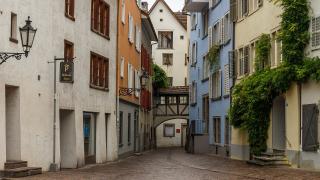
Cities: Zurich, Geneva, and Lucerne offer the widest hotel choices. Hotels near Zurich Hauptbahnhof or Geneva Cornavin station are ideal for business and city sightseeing. Walking distance to Old Towns is common. Many hotels in Lucerne are within 10 minutes of the lake and Kapellbrücke.
-
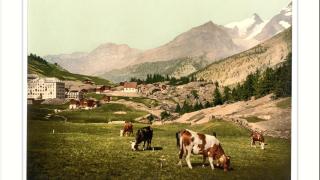
Mountain Resorts: Zermatt and St. Moritz specialize in alpine hotels. Most hotels in Zermatt are within 1 km of the Gornergrat Bahn or ski lifts. St. Moritz hotels often include free local transport passes in summer.
-
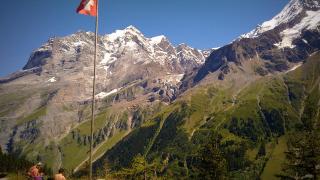
Scenic Villages: Lauterbrunnen, Grindelwald, and Wengen have family-run hotels close to hiking trails and cable cars. In Wengen, all hotels are car-free and reached by train.
-
Proximity to Transport: Swiss hotels often advertise distance to the nearest Bahnhof (train station). Many are within 300–500 meters. This is crucial for travelers using the Swiss Travel Pass.
-
Access to Attractions: Hotels in Interlaken offer quick access to Jungfrau excursions. In Montreux, lakeside hotels are near the Château de Chillon.
-
Traveler Types: Family rooms are common in resorts and villages. Couples may prefer boutique hotels in historic buildings. Solo travelers find budget options in city hostels or Gasthäuser.
-
Seasonal Considerations: Ski hotels in winter cost more and book out early. Summer hiking hotels in the Alps fill quickly from June to September.
Booking Strategies and Insider Tips
Swiss hotel booking platforms:
- Use Swiss sites like myswitzerland.com, SBB RailAway, and Swiss Youth Hostels for local deals.
- Booking.com and HRS list most Swiss hotels, but some family-run Gasthäuser only accept direct bookings.
Direct booking advantages:
- Many Swiss hotels offer free breakfast, room upgrades, or late checkout for direct reservations.
- Some hotels provide a free "Guest Card" with local transport and discounts when booked directly.
Cancellation policies:
- Swiss hotels often require 24–72 hours’ notice for free cancellation.
- During high season (December–March, July–August), stricter policies and prepayment are common.
Loyalty programs and chains:
- Swissôtel, Mövenpick, and Sorell Hotels have loyalty programs with room discounts or free nights.
- Swiss Youth Hostels offer annual memberships for reduced rates.
Language and communication:
- Hotel staff usually speak German, French, Italian, and English.
- Email confirmations are often in English, but requests in German or French may get faster responses in those regions.
Accessibility and special requests:
- Swiss hotels must meet strict accessibility standards (e.g., step-free access, lifts).
- Allergies: Many hotels offer hypoallergenic bedding and lactose-free or gluten-free breakfast options on request.
- Mobility needs: Specify "rollstuhlgängig" (wheelchair accessible) when booking.
Always confirm special requests by email before arrival.
Swiss Hotel Essentials: What to Expect
Check-in at Swiss hotels usually starts at 15:00. Check-out is typically by 11:00. Many front desks close at 22:00, especially in smaller towns. Room sizes are compact by international standards. Bathrooms are often private, but some budget hotels offer shared facilities. Wi-Fi is standard and usually free. Air conditioning is rare, even in city hotels. Most rooms have radiators for heating. Breakfast is commonly included. Expect a buffet with bread, cheese, cold cuts, and Bircher muesli. Hot dishes are less common. Dining options in hotels may be limited outside major cities. Tipping is not required; service is included by law. Rounding up the bill is appreciated. Tourist tax (Kurtaxe) is added per person, per night, and paid at check-out. Payment: Swiss francs (CHF) are standard. Most hotels accept credit cards, but small hotels may prefer cash. Quiet hours (Ruhezeit) are enforced from 22:00 to 07:00. Recycling bins are provided in many hotels. Sustainability practices, such as towel reuse, are widely promoted.
Quick Reference: Hotel Planning Checklist
Booking: Reserve Swiss hotels 2–4 months ahead for best rates. Passport or ID is required at check-in.
Budget: Expect CHF 120–250 per night for mid-range hotels. Pay in Swiss francs to avoid fees.
Essentials: Bring a Swiss power adapter (Type J). Tap water is safe. Many hotels do not provide kettles.
Issues: Report problems to reception immediately. For unresolved disputes, contact the Swiss Hotel Association (hotelleriesuisse.ch).
Apps/Resources: Use SBB Mobile for transport, myswitzerland.com for hotel deals, and Swiss Youth Hostels app for budget stays.