
Davos
Highest Alpine town in Europe, ski hub & WEF venue
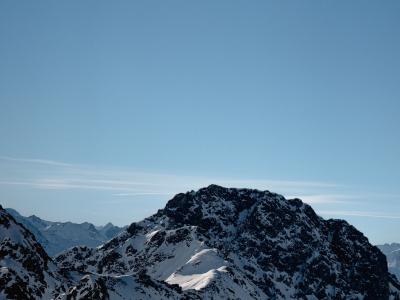
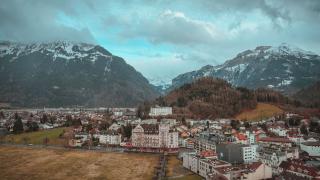
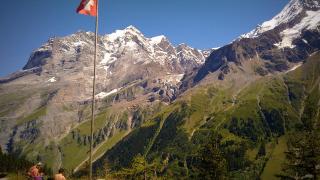
Davos, nestled in the Graubünden canton of eastern Switzerland, has evolved from a modest alpine village into a world‑renowned resort while retaining its mountain‑town character.
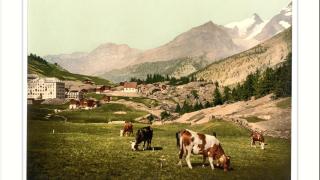
History The first documented mention of Davos dates to 1210, when it was part of the Bishopric of Chur. Its name derives from the Celtic word "davos," meaning "water," a nod to the Landwasser River that courses through the valley. Throughout the Middle Ages, Davos was a hub for trans‑Alpine trade, and its strategic location made it a meeting point for merchants and travelers. The 19th century ushered in a transformation: the construction of the Rhaetian Railway in 1889 opened the town to tourists, and the pristine snow attracted early ski pioneers. By the early 1900s, Davos hosted its first ski competitions, cementing its reputation as a winter sport centre. The post‑World War II era saw rapid development of ski lifts, hotels, and conference facilities, culminating in the establishment of the World Economic Forum in 1971, which turned Davos into a global stage for political and economic discourse.
Main Attractions
- Klosters‑Davos Ski Area: Spanning over 300 km of groomed pistes, the interconnected ski region offers runs for beginners to expert freeriders. The Schatzalp and Parsenn mountains provide breathtaking panoramas and historic mountain hotels.
- Lake Davos (Davosersee): A crystal‑clear alpine lake ideal for paddle‑boarding, fishing, and summer picnics, framed by towering peaks.
- Davos Congress Centre: The iconic venue for the World Economic Forum, featuring modern conference halls and a striking glass façade.
- Madrisa‑Land Adventure Park: Family‑friendly zip‑lines, rope courses, and a summer toboggan run, set against the Madrisa mountain.
- Kirchner Museum: Dedicated to the expressionist painter Ernst Ludwig Kirchner, who lived in Davos from 1910 to 1917; the museum houses his most significant works.
- Monsteiner Brewery: A historic brewery offering guided tours and tastings of locally brewed craft beers.
- Sertig Valley: A tranquil side valley with traditional alpine farms, perfect for hiking and experiencing authentic Swiss rural life.
Activities In winter, Davos is a ski haven with over 50 lifts, snow‑shoe trails, and world‑class cross‑country tracks. Summer shifts the focus to hiking, mountain biking, and climbing; the Jakobshorn and Rinerhorn peaks provide marked routes ranging from easy valley walks to challenging summit ascents. The region also supports paragliding, golf at the Davos Golf Club, and wellness retreats in numerous spa hotels. Cultural events include the Davos Festival, open‑air concerts, and the annual Davos Jazz Festival.
Getting There Travelers can reach Davos by train, road, or air. The Rhaetian Railway connects Zurich and St. Gallen to Davos via scenic alpine routes; the journey from Zurich takes about 2 hours and 30 minutes. By car, the A13 motorway leads to the town, with well‑maintained mountain passes; parking is available at the town centre and ski lifts. The nearest international airports are Zurich (≈150 km) and Milan Malpensa (≈200 km), both offering shuttle services and rental car options. For conference attendees, the Davos Congress Centre provides direct shuttle links from the main railway station.
Seasonal Advice The optimal summer window runs from June through August, when temperatures average 15‑22 °C and trails are snow‑free, ideal for hiking and lake activities. Autumn (September‑October) offers vibrant foliage and fewer crowds, though some higher passes may begin to close. Winter, from mid‑December to early March, delivers reliable snowfall and excellent ski conditions; early December can be chilly, while March often brings milder weather and longer daylight. Shoulder seasons (April‑May and late November) are perfect for budget travelers seeking lower accommodation rates and quieter surroundings, though some facilities may operate on reduced schedules.
Overall, Davos blends high‑altitude adventure, cultural depth, and international significance, making it a versatile destination for both active explorers and those seeking a tranquil alpine retreat.
Best Time to Visit
Visit from June to August for mild summer weather, or December to February for prime skiing conditions.
Plan Your Visit to Davos
Essential travel tips and information for your trip to Davos.
Travel Tips
Currency
Euro (EUR) • Cards widely accepted
Language
Swiss • English in tourist areas
WiFi
Free WiFi in cafes and hotels
Explore Davos by Interest
Discover attractions and experiences in Davos organized by your interests and travel preferences.
Interest categories coming soon
We're working on organizing attractions by interest categories for Davos. Check back soon for curated experiences.
Quick Facts
Book your stay
More destinations in Graubünden
Explore other amazing places in the Graubünden region