
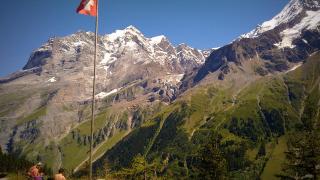
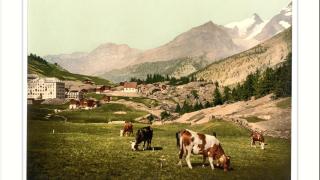
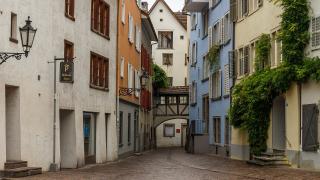

Flavors Across the Alps
Swiss food culture reflects the country’s four language regions. In German-speaking areas, dishes like Rösti and Älplermagronen are common. French-speaking regions favor cheese fondue and tarte à la crème. In Ticino, Italian influence brings risotto and polenta. Many dishes, such as Raclette, cross regional borders and are found nationwide.
Geography shapes menus. Alpine areas serve hearty meals, often with local cheese and potatoes. Lakeside towns offer freshwater fish, such as perch from Lake Geneva.
Local products matter. Swiss cheese, like Gruyère and Emmental, is produced in specific cantons. Chocolate shops in Zurich and Geneva offer pralines from CHF 1.50 each.
Traditional meals are often eaten at midday. Many Swiss restaurants serve set lunch menus from CHF 18–25.
Seasonal food is important. Wild mushroom dishes appear in autumn. Fresh asparagus is served in spring.
Swiss food traditions are shaped by history, climate, and trade routes. Regional specialties remain strong, but national favorites unite Swiss tables.
Must-Try Swiss Classics
Cheese fondue is a Swiss icon. In Switzerland, locals share it in a caquelon pot, dipping bread cubes. Fondue is most popular in winter, especially in alpine restaurants. Expect prices from CHF 25–35 per person. Raclette uses semi-hard Valais cheese, melted and scraped over Gschwellti (jacket potatoes). It comes with gherkins, pickled onions, and sometimes dried meats. Raclette is common at mountain huts and village festivals. A portion costs CHF 20–30. Rösti is a crisp, pan-fried potato cake, often eaten for breakfast or as a side. In Bern and Zurich, it appears with sausage or fried eggs. Älplermagronen is a hearty alpine dish. It combines macaroni, potatoes, cream, onions, and cheese, served with stewed apples. It reflects Swiss mountain farming traditions. Find it in mountain inns and ski lodges, especially in central Switzerland. Birchermüësli is a Swiss breakfast staple. It mixes oats, grated apple, nuts, and condensed milk. Locals eat it at home or in hotel buffets. Expect to find authentic versions in family-run restaurants, alpine guesthouses, and local markets. Many dishes are shared, reflecting Swiss communal dining. Always check for regional variations. Lunch is the main meal for many Swiss; dinner is lighter. Traditional Swiss classics are rarely fast food and often require time to prepare and enjoy.
Sweet Traditions: Chocolate & Beyond
Swiss chocolate has been produced since the 17th century. Milk chocolate was invented in Vevey in 1875. Swiss brands like Lindt, Toblerone, and Läderach are internationally known. Zurich and Geneva have historic chocolate shops. Sprüngli's Paradeplatz shop in Zurich sells Luxemburgerli macarons. Prices for pralines start at CHF 8 per 100g. Maison Cailler in Broc offers factory tours year-round; entry is CHF 15 for adults. Many shops offer tastings without appointment. Swiss Engadine Nusstorte is a caramelized nut tart from Graubünden. Basler Läckerli is a spiced honey biscuit from Basel. Both are sold in bakeries and train stations nationwide. Swiss chocolate is often given as gifts during Easter and Christmas. Travelers can join chocolate workshops in Bern or Lucerne; prices from CHF 25 per person. Supermarkets like Coop and Migros stock local chocolate at lower prices. Most chocolate shops open Monday to Saturday, 9:00–18:30.
Dining the Swiss Way
Swiss meal times are precise. Breakfast (Frühstück) is light, usually bread, butter, jam, and coffee, eaten from 6:30–8:00. Lunch (Mittagessen) is the main meal, served from 12:00–13:30. Dinner (Abendessen) is lighter, between 18:00–20:00. In cities, business lunches are common; in rural areas, families eat together at home. Restaurants open for lunch (11:30–14:00) and dinner (18:00–22:00). Many close mid-afternoon. Cafés and bakeries serve snacks all day. Reservations are expected for dinner, especially weekends. Walk-ins are possible for lunch in casual places. In German-speaking areas, greet staff with "Grüezi" or "Guten Tag." In French regions, use "Bonjour." Wait to be seated. Water is not free; expect CHF 3–5 per bottle. Menus are in German, French, or Italian, depending on region. English menus are common in tourist areas. Pointing at dishes is acceptable if unsure. Tipping is not mandatory; service is included by law. Locals round up the bill or leave small change (5–10%). Payment by card is widely accepted. In mountain huts, cash is preferred. Sharing fondue or raclette is normal; ask before ordering for one. Eating with hands is rare except for bread.
Markets, Festivals & Local Finds
Swiss food markets operate year-round in most towns. Zurich’s Markthalle and Bern’s Bundesplatz market open early, often from 7:00 to 12:00. Expect local cheese, sausages, and seasonal produce. Prices for fresh cheese start around CHF 3 per 100g. In Lausanne, the Saturday market fills Place de la Riponne with Vaudois specialties. Basel’s Herbstmesse (autumn fair) features roasted chestnuts and Magenbrot in late October and November. The Fête de la Tête de Moine in Bellelay celebrates the iconic cheese each May. Appenzell’s Chästeilet divides alpine cheese among farmers every September. For chocolate, visit Geneva’s Salon du Chocolat in November. Sampling is common; ask for "une dégustation" at stalls. Bring cash, as many vendors do not accept cards. For off-the-beaten-path finds, try village fêtes in Gruyères or Emmental. Look for "Marché Paysan" signs for authentic farm products. Many events are free; tasting portions cost CHF 2–5. Markets last 2–4 hours. Arrive early for the best selection.
Pro Tips for Food Lovers
Vegetarians find options like Älplermagronen and Rösti in most Swiss restaurants. Vegan choices are limited; ask for 'ohne Käse' (without cheese) or visit urban vegan cafés in Zurich or Lausanne. Allergies: Always state 'Ich habe eine Allergie gegen...' to staff. Gluten-free bread is available in Coop and Migros supermarkets. For authentic Swiss food, seek 'Gasthaus' or 'Bergrestaurant' outside tourist zones. Lunch menus ('Mittagsmenü') offer local dishes from CHF 15–25, cheaper than dinner. Budget tip: Try Migros or Coop self-service cafeterias for Swiss classics at CHF 10–18. Culinary checklist:
- Sample regional cheese at local markets
- Visit a chocolate factory (advance booking required)
- Reserve fondue in winter (peak demand)
- Check opening hours; many kitchens close 14:00–18:00