Seasonal Switzerland at a Glance
Switzerland’s seasons shape every trip.
- Spring (late May–June): Mild, green valleys. Cattle processions in Appenzell. Hotels cost CHF 120–180/night in Lucerne. Mountain resorts like Zermatt may have limited lifts.
- High Summer (July–August): Best for hiking in the Bernese Oberland. Daylight lasts until 21:00. Swiss National Day (1 August) brings fireworks at Rhine Falls. Expect crowds on the Glacier Express. Hotel rates peak: CHF 180–300/night in Interlaken.
- Late Summer/Early Fall (September–early October): Warm, fewer tourists. Vineyards in Lavaux harvest grapes. Good for city museums in Zürich. Some alpine lifts close by mid-October.
- Zwischenzeit (April, late October–November): Cities like Basel are quiet. Mountain towns mostly closed. Limited cable car operations. Weather is unpredictable above 1,500 meters.
- Winter (December–March): Ski season in Verbier, St. Moritz. Christmas markets in Montreux. Resorts crowded, lift passes CHF 60–90/day. Cities like Geneva are quieter, some museums reduce hours.
Timing matters: Activities, prices, and crowds change sharply by season.
Spring Blooms & Alpine Awakenings
Late May to June marks Switzerland’s spring awakening.
- Daytime temperatures reach 15–22°C in Zurich and Lucerne. Nights are cool, often 8–12°C.
- Alpine valleys turn green. Wildflowers bloom in Bernese Oberland and Engadine.
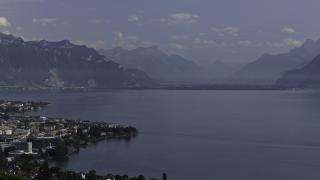
- Lake Geneva and Lake Lucerne areas see clear skies and fresh mountain air.
- Hotel prices in Interlaken and Lausanne drop. Double rooms average CHF 110–170 per night.
- Fewer tourists. Trains like the GoldenPass Express have more available seats.
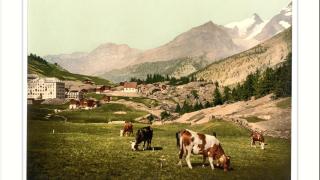
- Local traditions: Cattle processions (Alpabfahrt) in Appenzell and Toggenburg. Farmers decorate cows with bells and flowers.
- Vineyards near Lavaux begin to leaf. Wine cellars open for tastings.
- Hiking trails below 2,000 meters are accessible. High-altitude routes (e.g., Jungfraujoch, Gornergrat) may still have snow.
- Some resorts, such as Zermatt and Mürren, operate limited lifts. Restaurants in mountain villages may close midweek.
- City museums in Basel and Bern may reduce opening hours.
- Spring is ideal for scenic train rides, local markets, and lakeside walks.
- Travel times: Zurich to Lucerne, 45 minutes by train; Geneva to Montreux, 1 hour.
Summer Peaks & Festive Vibes
July and August are Switzerland’s busiest tourist months.
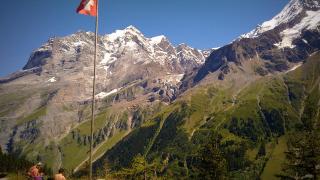
- Alpine hiking trails are fully open. Snow-free paths in the Bernese Oberland and Engadin attract trekkers.
- Daylight lasts until 21:00 in Zurich and Lucerne. Ideal for long days outdoors.
- Lake Geneva, Lake Lucerne, and Lake Zurich offer swimming, paddleboarding, and boat cruises.
- Cable cars and mountain railways run at full schedule. Jungfraujoch and Gornergrat are accessible daily.
- Cities like Geneva and Basel host open-air concerts and food festivals. Zurich’s Street Parade draws crowds in August.
- Swiss National Day (August 1) features fireworks at Rhine Falls and village celebrations with Alphorn music.
- Local festivals: Fête de l’Ours in Bern, Locarno Film Festival, and Montreux Jazz Festival.
- Accommodation prices peak. Expect CHF 180–300/night for midrange hotels in Interlaken or Zermatt.
- Advance booking is essential for hotels, mountain huts, and scenic train routes like the Glacier Express.
- Crowds fill popular sites. Jungfrau, Pilatus, and Titlis see long queues for lifts.
- Restaurants and attractions operate extended hours. Outdoor terraces are lively until late evening.
- Weather is stable. Daytime highs reach 24–28°C in lowlands, 16–20°C in mountain resorts.
- Thunderstorms can occur, especially in late afternoons. Always check local forecasts before hiking.
Golden Autumn Escapes
September to early October is ideal for quieter Swiss travel.
- Daytime temperatures range from 13–20°C in Zurich and Geneva. Nights drop to 7–12°C.
- Vineyards in Lavaux and Valais turn gold. Grape harvest festivals occur in towns like Vevey and Sion.
- Hiking trails in the Bernese Oberland and Ticino remain open. Autumn colors peak in Engadin and around Lake Geneva.
- Crowds thin after summer. Hotel rates in Lucerne and Interlaken drop to CHF 120–160/night.
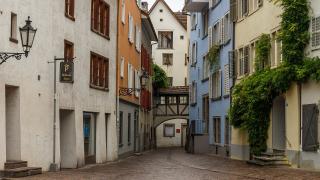
- Swiss cities like Basel and Bern are lively but less busy. Museums and restaurants operate regular hours.
- Mountain resorts (e.g., Mürren, Wengen) may start closing by mid-October. Cable cars run reduced schedules.
- Weather is changeable. Rain showers and early snow possible in higher regions. Pack layers and waterproofs.
- Autumn is prime for scenic train journeys. The GoldenPass and Glacier Express offer panoramic views of forests and vineyards.
- Local produce markets feature apples, chestnuts, and mushrooms. Try seasonal dishes in alpine villages.
- Most hiking trails are accessible for 4–6 weeks before winter closure.
Winter Wonderland & Ski Season
December to March is peak winter in Switzerland.
- Ski season starts in early December. Resorts like Zermatt, Verbier, and St. Moritz open lifts by mid-December.
- Snow is reliable in the Alps. Jungfrau, Davos, and Saas-Fee guarantee good conditions through March.
- Christmas markets run from late November to 24 December. Zürich, Basel, and Montreux are known for festive lights and Glühwein.
- Alpine villages like Grindelwald and Wengen host torch-lit processions and ice skating. Sledging is popular in Engelberg and Mürren.
- New Year’s Eve brings fireworks in Lucerne and Geneva. Expect crowds and higher hotel rates (CHF 200–400/night in ski towns).
- Lift passes cost CHF 60–90/day. Restaurants add winter surcharges. Book hotels and trains at least 3–4 months ahead.
- School holidays (Christmas, New Year, and February) are busiest. Slopes and trains fill quickly. Early January and March are less crowded.
- Daytime temperatures range from -2°C to 6°C in the Alps. Nights drop to -10°C in mountain villages.
- Some city museums and attractions close or reduce hours in winter. Cities like Bern and Lausanne are quieter.
- Winter tires and snow chains are required on mountain roads. Swiss trains run on time, even in snow.
Zwischenzeit: The Quiet Months
Zwischenzeit in Switzerland falls in April, early May, and late October to November.
- Cities like Zürich, Basel, and Geneva are uncrowded. Museum entry is easy; Kunsthaus Zürich tickets cost CHF 23.
- Urban hotels offer lower rates, often CHF 100–140 per night.
- Mountain towns such as Grindelwald and Zermatt mostly close. Cable cars and alpine trails are not operating.
- High-altitude activities are unavailable. Jungfraujoch trains run on reduced schedules.
- Weather is unpredictable. Rain and fog are common in Luzern and Interlaken.
- Many restaurants and hotels in alpine regions shut for seasonal breaks.
- Best for travelers focused on city culture, not outdoor mountain sports.
Smart Timing Strategies
Match your visit to Swiss interests:
- For skiing, book December–March. Reserve ski hotels in Zermatt or Verbier at least 3–6 months ahead.
- For hiking, July–September offers open trails in the Bernese Oberland. Book mountain huts (Berghütten) early for weekends.
- For festivals, visit late June to August. Swiss National Day (1 August) brings fireworks at Rhine Falls. Book city hotels in advance.
- For sightseeing, April and November mean fewer crowds in Zurich and Basel. Museums often have shorter hours.
Accommodation and activity tips:
- Peak summer and winter: Hotels in Interlaken, Lucerne, and St. Moritz cost CHF 180–250/night. Book early.
- Off-peak (April, November): City hotels drop to CHF 110–150/night. Mountain resorts may close.
Weather and packing:
- Summer: Bring layers and rain gear. Mountain weather changes fast.
- Winter: Pack thermal clothing and snow boots.
- Check SBB.ch for seasonal train schedules. Use MeteoSwiss app for weather updates.