
Why Festivals Matter Here
Festivals in Switzerland reveal local customs and living traditions. Events like Sechseläuten in Zürich feature the Böögg snowman burning. Basel’s Fasnacht parade covers streets in confetti for three days each February. In Appenzell, the Alpabfahrt marks the return of cows from mountain pastures each autumn. Entry to most village festivals is free; larger events like Montreux Jazz Festival charge CHF 80–200 per ticket. Swiss festivals often last one to three days. Dates can shift due to weather, especially in alpine regions. Each canton and language region has unique celebrations. Ticino hosts chestnut festivals in October. Geneva’s Escalade commemorates a 1602 battle with torchlit processions. Winter brings horse races on frozen lakes in St. Moritz. Summer features open-air film screenings in Locarno. Planning your trip around these events offers access to local foods, music, and crafts. Shops and museums may close on national holidays like Swiss National Day (August 1). Confirm dates with local tourist offices. Participating in Swiss festivals provides insight into regional identity and daily life.
Swiss Festival Calendar Highlights
January–February:
- St. Moritz hosts the White Turf horse races on its frozen lake. Entry from CHF 25. Held on three Sundays.
- Basel Fasnacht starts at 4:00 a.m. with Morgenstreich. Lasts 72 hours. Confetti and lantern parades fill the city.
March–April:
- Zürich’s Sechseläuten features the burning of the Böögg snowman. Held on a Monday in April. Parade includes costumed guilds.
- Geneva’s Caves Ouvertes opens local wineries for tastings. Entry often free. Usually late May.
June–August:
- Montreux Jazz Festival runs for two weeks in July. Over 250,000 visitors. Ticket prices from CHF 80.
- Locarno Film Festival in August. Piazza Grande open-air screenings. Tickets from CHF 18.
- Fête de la Musique in Geneva and Lausanne. Free concerts in city squares.
September–October:
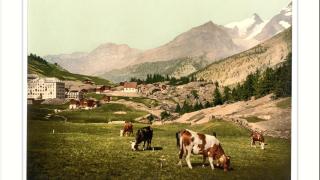
- Alpabfahrt (Désalpe) cow parades in Appenzell, Gruyères, and Charmey. Cows wear flowered headdresses. Dates vary by village.
- Grape harvest festivals in Lavaux and Valais. Local wine tastings and processions.
November–December:
- Fête de l’Escalade in Geneva. Night parades, chocolate cauldrons, historical costumes. Held mid-December.
- Christmas markets in Basel, Zürich, Montreux. Mulled wine costs CHF 5–7 per cup.
Tips:
- Always check official event websites for dates. Weather can shift alpine event schedules.
- Some festivals charge entry. Many street parades are free.
- Public transport runs late during major events.
Don’t-Miss Celebrations
Basel Fasnacht is Switzerland’s largest carnival. It starts at 4:00 a.m. on the Monday after Ash Wednesday. Lantern parades, masked cliques, and confetti fill Basel’s Old Town for 72 hours. Entry is free. Arrive early for the Morgenstreich parade. Crowds are dense; book hotels months ahead.
Montreux Jazz Festival runs for two weeks in July on Lake Geneva’s shore. It features over 250 concerts, including free lakeside shows. Tickets for headline acts start at CHF 80. Accommodation in Montreux sells out quickly. Day trips from Lausanne or Geneva are possible by train.
Locarno Film Festival takes place each August in Ticino. Piazza Grande hosts open-air screenings for up to 8,000 people. Single tickets cost from CHF 18. The festival lasts 11 days. Book seats and hotels in advance for popular premieres.
Fête de l’Escalade is Geneva’s historic festival each December. Locals parade in period costume, celebrating the city’s 1602 victory. Free events include torchlit marches and chocolate cauldron smashing. Old Town streets are crowded but accessible.
Alpabfahrt (also called Alpabzug) marks the autumn descent of cows from alpine pastures. Villages like Appenzell and Gruyères hold decorated cattle parades. Dates vary by region, usually September to October. Arrive early for best viewing. Events are free, but parking fills fast.
Regional festivals in Switzerland often celebrate food and local traditions. The Fête de la Châtaigne in Fully (Valais) takes place each October. Visitors taste roasted chestnuts, local wines, and cheeses. Entry is free; tasting plates start at CHF 5. Gruyères hosts the Désalpe in September. Cows parade through the village, and farmers sell Gruyère cheese and sausages. Entry is free. In Ticino, the Sagra dell'Uva in Mendrisio celebrates the grape harvest with wine tastings and folk music. It runs for three days in late September. Entry is CHF 10. The Schokoladenfestival in Kilchberg (Zurich) offers chocolate workshops and tastings. Tickets from CHF 12. Many villages hold small cheese festivals, such as the Alpkäsemarkt in Andermatt each August. These events are rarely advertised in English. Check local Gemeinde (municipal) websites or tourist offices for dates. Most festivals last one or two days. Locals attend in traditional dress. Visitors can join communal meals and meet producers. Cash is preferred at food stalls.
Festival Know-How for Travelers
Tickets for major Swiss festivals (Basel Fasnacht, Montreux Jazz) sell out months in advance. Buy online via official event sites or Swiss ticketing platforms like Ticketcorner.ch. Accommodation in festival towns (e.g., St. Moritz during White Turf) fills quickly. Book 3–6 months ahead, especially in small alpine villages. Swiss Railways (SBB/CFF/FFS) runs extra trains for big events. Expect crowded platforms at Zürich, Basel, and Lausanne stations during festival weekends. Regional buses may run special late-night schedules; check local timetables. Swiss festivals are punctual. Arrive 10–20 minutes early for parades or concerts. Dress codes vary: Fasnacht is informal; Montreux Jazz is smart-casual. In Appenzell, locals wear traditional Tracht. Respect local customs: Do not interrupt processions or touch costumes. Photography is allowed at most outdoor events but ask before photographing people in costume. Weather is unpredictable. Bring a waterproof jacket, layers, and sturdy shoes for alpine events. Umbrellas may be banned in crowded parades. Family-friendly events include Zürich’s Sechseläuten and the Fête de la Châtaigne. Most venues have accessible toilets and ramps. Swiss festivals are safe. Police and first aid are present at all major gatherings.
Quick Reference & Planning Tools
Key takeaways: Swiss festivals are seasonal and often weather-dependent. Major events include Basel Fasnacht, Montreux Jazz, and Sechseläuten. Tickets for Montreux Jazz start at CHF 80. Most village festivals are free. Official calendars: myswitzerland.com/events, swissfestivals.com, ticketcorner.ch. Checklist:
- Confirm dates on event or tourist office sites
- Book hotels early (6+ months for major events)
- Check public transport schedules (SBB.ch)
- Prepare cash (some stalls do not accept cards)
- Bring weather-appropriate clothing
- Review local rules for parades and processions