

Solothurn
Switzerland's baroque capital on the Aare River
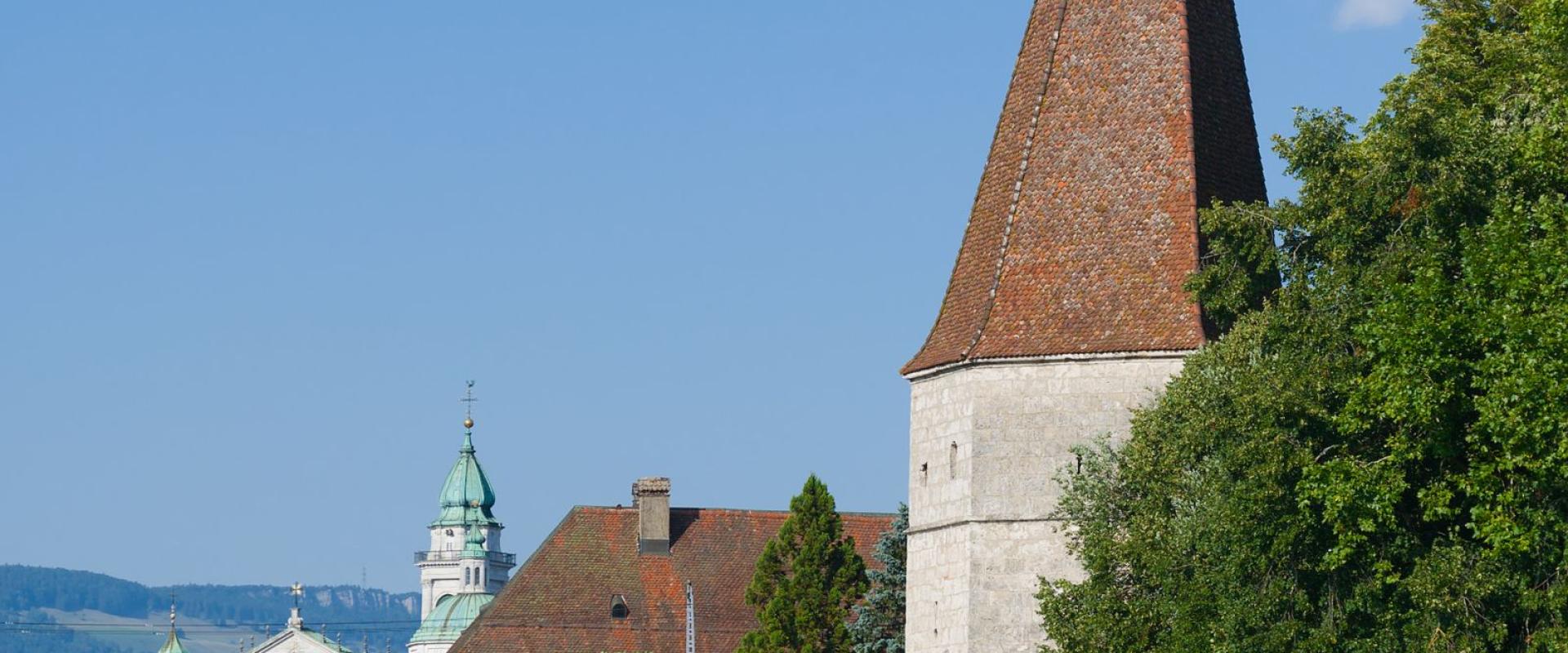
Solothurn’s story begins over two millennia ago, when the Romans established a fortified camp called "Salodurum" at the crossroads of important trade routes along the Aare. After the fall of the Roman Empire, the settlement grew under the influence of the Burgundian and later the Holy Roman Empire, becoming a free imperial city in the 13th century. The medieval period saw the construction of defensive walls and the iconic Basel Gate, a reminder of the city’s strategic importance. The Reformation left its mark in the 16th century, but Solothurn remained predominantly Catholic, a fact reflected in its impressive ecclesiastical architecture. The 18th century ushered in a Baroque renaissance, funded by prosperous merchants and the Prince-Bishop of Basel, resulting in the harmonious blend of French, Italian, and Swiss styles that defines the city today.
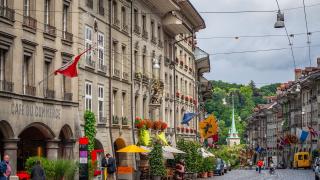
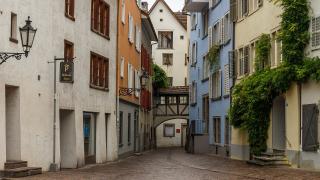
Among Solothurn’s main attractions, the Cathedral of St. Ursus stands out as a masterpiece of late Romanesque and early Gothic design, its soaring tower offering panoramic views of the Aare valley. Adjacent to the cathedral, the Jesuit Church showcases a richly decorated interior with stucco work and frescoes, epitomising the Baroque aesthetic. The Clock Tower (Uhrturm), perched on the town’s highest point, houses a historic clock mechanism and provides another viewpoint over the historic centre. Solothurn’s Hauptplatz, the grand town square, is lined with elegant arcades, the Old Hospital (Altes Spital) with its distinctive yellow façade, and numerous cafés where visitors can savor local pastries while watching the river’s flow.
Cultural enthusiasts will appreciate the Kunstmuseum, which hosts a rotating program of Swiss and international art, and the Naturmuseum, offering insights into the region’s geology and natural history. For a deeper dive into the city’s past, the Museum of History (Museum für Geschichte) presents artifacts from the Celtic era through modern times. Seasonal events such as the Solothurner Festspiele, a summer music festival held in the open‑air arena of the former Roman amphitheatre, and the traditional Solothurner Fasnacht (carnival) bring the streets alive with performances, fireworks, and local cuisine.
Outdoor activities abound along the Aare River, where gentle boat trips provide a different perspective of the city’s skyline. Well‑marked cycling routes connect Solothurn to the surrounding Jura hills, offering opportunities for both leisurely rides and more challenging mountain biking. In winter, the nearby Jura mountains become a playground for cross‑country skiing and snowshoeing, while the city’s historic centre retains a quiet charm, perfect for cozy evenings in its renowned absinthe bar or a warm meal at a traditional restaurant.
Getting to Solothurn is straightforward. The city lies on the main Swiss Federal Railways (SBB) line between Bern and Basel, with frequent half‑hourly services from both cities; the journey from Zurich takes about an hour and a half. The nearest major airports are Zurich (≈ 120 km) and Bern (≈ 70 km), both offering shuttle train connections to Solothurn. For drivers, the A1 motorway provides direct access, and ample parking is available at the city’s peripheral garages. Public transport within the town includes a reliable bus network that links the railway station to the historic centre and surrounding neighborhoods.
Seasonal advice: Spring (April–May) brings blooming gardens and fewer crowds, ideal for walking tours and river walks. Summer (June–August) is the peak festival period, with warm temperatures perfect for outdoor concerts, open‑air markets, and cycling along the Aare. Autumn (September–October) offers crisp air and vibrant foliage, making it an excellent time for photography and wine tasting in nearby vineyards. Winter (November–March) sees quieter streets, but the nearby Jura ski areas provide ample winter sport options, while the city’s museums and cafés offer a cozy retreat from the cold. By tailoring your visit to these seasonal nuances, you can experience Solothurn’s rich heritage and lively atmosphere at its best.
Best Time to Visit
Visit from May to September for mild temperatures, sunny days, vibrant outdoor festivals, and pleasant evenings.
Plan Your Visit to Solothurn
Essential travel tips and information for your trip to Solothurn.
Travel Tips
Currency
Euro (EUR) • Cards widely accepted
Language
Swiss • English in tourist areas
WiFi
Free WiFi in cafes and hotels
Explore Solothurn by Interest
Discover attractions and experiences in Solothurn organized by your interests and travel preferences.
Interest categories coming soon
We're working on organizing attractions by interest categories for Solothurn. Check back soon for curated experiences.
Quick Facts
Book your stay
More destinations in Aargau
Explore other amazing places in the Aargau region


