
Tarasp
Hilltop castle, alpine lakes, and Engadine heritage
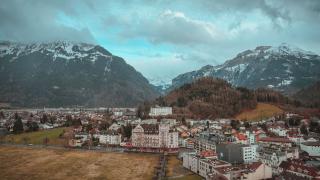
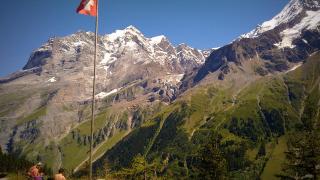
Tarasp, nestled at 1,403 meters in the heart of the Lower Engadine, is a destination where history and alpine beauty converge. The village’s story is inseparable from its most famous landmark, Tarasp Castle, which has watched over the valley since the 11th century. Originally built as a fortress by the Lords of Tarasp, the castle changed hands many times over the centuries, reflecting the region’s turbulent history between Austria and Switzerland. In the early 20th century, the castle was restored by the industrialist Karl August Lingner, who filled it with art, antiques, and a grand organ, transforming it into a cultural monument.
Today, Tarasp Castle is open to visitors for guided tours, offering a journey through medieval halls, opulent salons, and the castle’s impressive organ room. The castle also hosts concerts, art exhibitions, and special events, blending history with contemporary culture. From its ramparts, visitors are treated to sweeping views of the Engadine valley, the village of Tarasp, and the surrounding peaks.
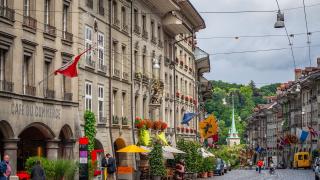
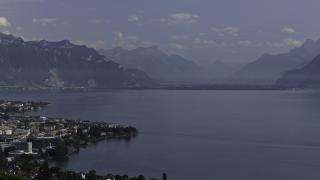
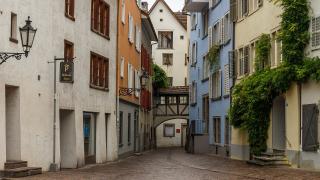
The village itself is a tranquil haven, characterized by traditional Engadine houses with sgraffito decorations, quiet streets, and a welcoming atmosphere. The Katholische Kirche Hl. Dreifaltigkeit (Church of the Holy Trinity) is another architectural gem, while the nearby Taraspsee (Lake Tarasp) offers a peaceful spot for reflection, photography, and picnics. The area is dotted with artist studios and galleries, such as the Atelier Rudolf Glaser, showcasing the region’s creative spirit.
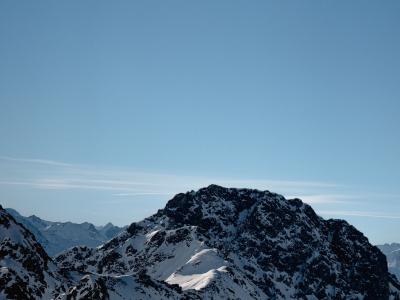
Tarasp is a gateway to outdoor adventure. Well-marked hiking trails lead through forests, meadows, and up to panoramic viewpoints, with routes suitable for all levels. The nearby Swiss National Park, Switzerland’s only national park, is a haven for wildlife and alpine flora, offering guided walks and educational programs. In winter, the region transforms into a snowy wonderland, with opportunities for cross-country skiing, snowshoeing, and winter hiking.
Wellness seekers will appreciate Tarasp’s proximity to the spa town of Scuol, famous for its mineral baths and wellness centers. After a day of exploration, visitors can relax in the Bogn Engiadina mineral baths or enjoy local cuisine in one of the area’s cozy restaurants.
Getting to Tarasp is straightforward: the village is accessible by train to Scuol, followed by a short bus or taxi ride. By car, scenic alpine roads connect Tarasp to the rest of the Engadine and the canton of Graubünden. The village’s peaceful setting and compact layout make it easy to explore on foot.
The best time to visit Tarasp is from June to September, when the weather is mild, the hiking trails are open, and the castle’s cultural program is in full swing. Spring and autumn offer quieter trails and beautiful natural colors, while winter is ideal for snow sports and cozy alpine stays. Regardless of the season, Tarasp’s blend of history, art, and alpine adventure ensures a memorable Swiss experience.
Best Time to Visit
June to September offers mild weather, open trails, and cultural events—ideal for exploring Tarasp Castle, hiking, and enjoying Engadine’s alpine scenery.
Plan Your Visit to Tarasp
Essential travel tips and information for your trip to Tarasp.
Travel Tips
Currency
Euro (EUR) • Cards widely accepted
Language
Swiss • English in tourist areas
WiFi
Free WiFi in cafes and hotels
Explore Tarasp by Interest
Discover attractions and experiences in Tarasp organized by your interests and travel preferences.
Interest categories coming soon
We're working on organizing attractions by interest categories for Tarasp. Check back soon for curated experiences.
Quick Facts
Book your stay
More destinations in Graubünden
Explore other amazing places in the Graubünden region