
Swiss Traditions Unveiled
Switzerland has four language regions: German, French, Italian, and Romansh. Each region has distinct customs and festivals. In Appenzell, locals practice "Alpabfahrt," moving cattle down from alpine pastures each September. In French-speaking Geneva, the "Escalade" festival in December features traditional costumes and chocolate cauldrons. Ticino’s Italian influence appears in "Festa della Madonna del Sasso" in Locarno each August. Romansh villages in Graubünden celebrate "Chalandamarz" in March, with cowbells and singing.
Traditions vary by canton. For example:
- Basel’s "Fasnacht" (carnival) lasts 72 hours each February.
- Bern hosts "Zibelemärit" (onion market) every November.
- Zurich’s "Sechseläuten" parade features burning the Böögg snowman in April.
Local markets, cheese dairies, and village fêtes are part of daily life. Entry to festivals is often free or CHF 10–20. Many events last one day; some, like Fasnacht, span several days. Experiencing these traditions is essential for understanding Swiss identity. Regional diversity shapes daily routines, food, and community life.
Festivals Beyond the Alps
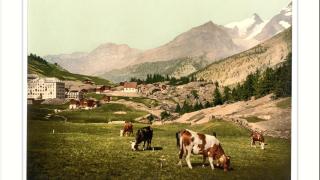
Fasnacht in Basel is Switzerland’s largest carnival. It starts at 4 a.m. on the Monday after Ash Wednesday. Parades, masks, and lanterns fill the city for 72 hours. Entry is free. Fête de l’Escalade in Geneva celebrates the city’s victory over Savoy in December. Locals wear period costumes and eat chocolate cauldrons. Most events are public and free. Sechseläuten in Zurich marks the end of winter in April. Guild members parade in historical dress. The burning of the Böögg snowman predicts summer weather. Tickets for grandstand seats cost CHF 25–50. Montreux Jazz Festival runs for two weeks in July on Lake Geneva. Main concerts require tickets (CHF 80–200), but many lakeside shows are free. Alpabfahrt occurs in alpine villages each September. Farmers decorate cows with flowers and bells. Spectators line village streets; no ticket needed. Customs differ by region. In Appenzell, yodeling and traditional dress are common. In Valais, cow fights are featured. Tips:
- Buy festival tickets early, especially for Montreux and Sechseläuten.
- Dress codes: Casual for most festivals; traditional attire admired but not required.
- Respect local etiquette: No loud noise after 10 p.m. in villages.
- For smaller events, check local Gemeinde (municipality) websites or tourist offices. Many villages host unique harvest or cheese festivals.
Tastes of Tradition
Fondue is a Swiss classic. Melted Gruyère and Emmental cheeses are served with bread cubes. Try it in alpine huts or village restaurants. Prices range from CHF 25–35 per person. Raclette is another specialty. Slices of cheese are melted and scraped onto potatoes and pickles. Valais is famous for authentic raclette. Rösti is a crispy potato dish, common in German-speaking regions. It is often served for breakfast or with sausage. Swiss chocolate is world-renowned. Visit chocolatiers in Zurich or Geneva for tastings. Bars cost CHF 3–8. Regional specialties include Zürcher Geschnetzeltes (Zurich-style veal) and Bündner Nusstorte (nut tart from Graubünden). For local food, visit weekly markets in Bern or Lausanne. Markets run on Saturdays, 7 a.m. to noon. Dining etiquette: Locals eat slowly and value quiet conversation. Toast with "Prost" in German or "Santé" in French. Hands-on experiences are popular. Join a cheese-making workshop in Gruyères (CHF 15–20, 1–2 hours). Chocolate workshops in Lucerne or Broc cost CHF 20–30. Book in advance, especially in summer. Many mountain huts require reservations for dinner.
Art, Craft, and Living Heritage
Kunsthaus Zürich displays Swiss art from the Middle Ages to today. Entry: CHF 23. Open Tuesday–Sunday. Fondation Beyeler in Basel features modern masters and Swiss artists. Entry: CHF 30. Closed Mondays. Ballenberg Open-Air Museum near Brienz shows 100+ historic Swiss buildings. Craftspeople demonstrate woodcarving, weaving, and cheese-making. Entry: CHF 29. Open April–October.
Traditional crafts in Switzerland include:
- Watchmaking in Geneva, Biel/Bienne, and La Chaux-de-Fonds. Guided factory tours cost CHF 20–50. Book in advance.
- Woodcarving in Brienz. Workshops last 1–2 hours. Prices from CHF 40.
- Embroidery in St. Gallen. Visit textile museums or book a guided tour for CHF 15–25.
- Cowbell making in Emmental. Workshops available by appointment. Prices start at CHF 50.
Tips for authentic purchases:
- Look for the "Swiss Made" label on crafts and watches.
- Buy directly from artisan workshops or museum shops.
- Avoid souvenir shops in tourist zones for higher quality.
Many museums offer English audio guides. Workshops require advance booking, especially in summer. Most experiences last 1–3 hours.
Swiss etiquette is precise.
- Greet with a firm handshake and eye contact. In Swiss German areas, say "Grüezi" (hello). In French regions, use "Bonjour." In Ticino, say "Buongiorno."
- Punctuality is essential. Arrive on time for meetings, trains, and meals. Trains depart exactly as scheduled.
- Keep noise low in public. Swiss trains and restaurants are quiet zones. Phone calls are brief and discreet.
- Tipping is not required. Service charge is included. Rounding up the bill or leaving small change is appreciated.
Language tips:
- German: "Danke" (thank you), "Bitte" (please).
- French: "Merci," "S'il vous plaît."
- Italian: "Grazie," "Per favore."
- English is widely spoken in cities and tourist areas, less so in rural villages.
Regional differences:
- Swiss German, French, and Italian regions have distinct customs. Observe local behavior and adapt.
- In Romandie (French-speaking), cheek kisses are common. In Zurich, greetings are more formal.
For solo travelers and families:
- Respect personal space. Swiss people value privacy.
- Children are welcomed in most restaurants. Family tickets are available on Swiss trains.
Planning Your Cultural Adventure
Major Swiss festivals occur February–August. Fasnacht (Basel), Montreux Jazz Festival, and Fête de l’Escalade (Geneva) are highlights. Book tickets for events and museum exhibitions online 2–3 months ahead. Popular workshops—cheese-making in Gruyères, watchmaking in La Chaux-de-Fonds—require advance reservations. Prices range CHF 40–120 per person.
Local tourism offices (e.g., MySwitzerland.com, Zürich Tourismus) publish event calendars and insider tips. Use SBB (Swiss Railways) for cultural route planning. Guided tours in Bern’s Old Town or Lucerne’s music venues start from CHF 25.
Explore lesser-known regions: Attend the Unspunnen Festival in Interlaken (every 12 years), or the Onion Market (Zibelemärit) in Bern each November. Visit Engadine villages for Romansh traditions.
Timing matters: Many alpine traditions, like cow parades, happen in September. Book rural guesthouses early. Allow extra travel time in mountain regions—buses may run hourly.
Tip: Ask locals about village fêtes for authentic experiences.