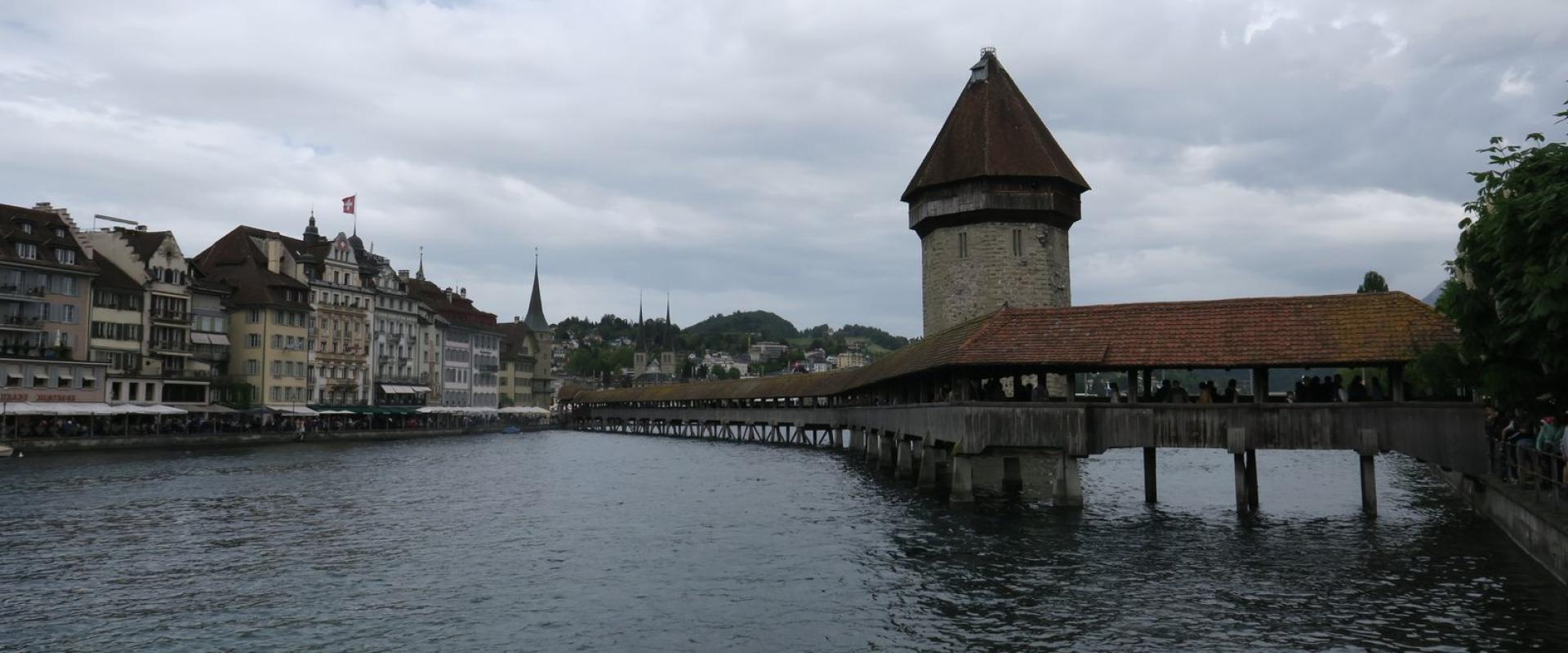
Why Choose a Swiss Cultural Tour?
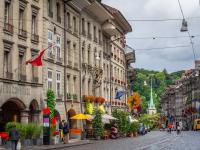
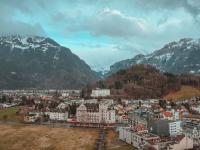
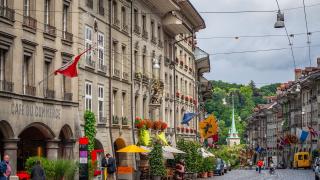
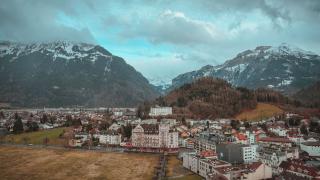
Cultural tours in Switzerland highlight the country’s multilingual heritage. Tours often include stops in German, French, and Italian-speaking regions. Travelers can visit historic cities like Bern, Geneva, and Lugano in a single trip. Guided walks in Appenzell or Gruyères showcase local traditions and crafts.
Types of tours available in Switzerland:
- Historical tours: Explore UNESCO sites like the Old Town of Bern. Typical duration: 2-4 hours. Cost: CHF 20-40 per person.
- Culinary tours: Sample fondue in Fribourg or chocolate in Zurich. Prices start at CHF 50. Duration: 2-3 hours.
- Art-focused tours: Visit museums in Basel or Lausanne. Entry fees range from CHF 10-25.
- Custom tours: Experience yodeling workshops or watch cheese-making in Emmental.
Swiss tours differ from other countries due to regional diversity within short distances. Travelers can experience four cultures in one day. Authentic experiences include local festivals like Fête de l’Escalade in Geneva. Most tours run year-round, with some seasonal events. Group sizes are often small, 8-15 people, for a personal experience.
Top Destinations for Culture Lovers
Zurich offers over 50 museums and 100 galleries. Kunsthaus Zürich features Swiss art. Guided Old Town tours run daily, CHF 25 per person, 2 hours. Bern's Altstadt is UNESCO-listed. Zytglogge clock tower tours operate hourly, CHF 20, 60 minutes. Parliament building tours highlight Swiss political history, bookable in advance. Geneva hosts international organizations. The International Red Cross and Red Crescent Museum charges CHF 15, open Tuesday to Sunday. Walking tours of Carouge and Pâquis reveal multicultural influences. Lucerne features preserved medieval walls and towers. The Richard Wagner Museum is open March–November, CHF 10. Lake Lucerne cruises offer historical commentary, CHF 29 for 1-hour round trip. Appenzell is known for living traditions. Guided cheese dairy visits cost CHF 12, 45 minutes. Folk music and yodeling events occur monthly. Engadine highlights Romansh culture. St. Moritz museums display local heritage. Sgraffito house-painting tours run in summer, CHF 18, 90 minutes. Practical details: Most tours are available in German, French, and English. Advance booking is recommended in high season (June–September). Distances between cities: Zurich–Bern 125 km, Bern–Geneva 160 km, Lucerne–Appenzell 130 km. Swiss Travel Pass covers many museum entries and public transport between destinations.
Experiencing Swiss Traditions Up Close
Cheese-making workshops run in Gruyères and Emmental. Sessions last 2-3 hours. Prices start at CHF 20. Participants stir curds and taste fresh cheese. Chocolate-making classes are offered in Maison Cailler (Broc) and Läderach (Zurich). Workshops cost CHF 30-50, lasting 60-90 minutes. Guests mold their own chocolate bars.
Alpine festivals include the Désalpe (cow parade) in Charmey each September. Entry is free. Fasnacht (Carnival) in Basel takes place in February or March. Guided tours explain costumes and customs. Watchmaking ateliers in Geneva and La Chaux-de-Fonds offer guided visits. Tours last 1-2 hours, CHF 25-40. Visitors assemble simple watch parts.
Farm stays ("Ferien auf dem Bauernhof") are available in Appenzell and Valais. Overnight stays cost CHF 40-70 per person. Guests help with milking, cheese-making, or haymaking. Hands-on activities include alphorn blowing in Interlaken (CHF 25, 30 minutes) and yodeling workshops in Lucerne. Most tours require advance booking. Many are available year-round, but festival dates vary by region.
Cultural tours in Switzerland cross four language regions: German (Zürich, Bern), French (Geneva, Lausanne), Italian (Lugano), and Romansh (Engadine). Guides often switch between German, French, and English. In Ticino, Italian is primary. Most tours provide multilingual brochures; check for your language when booking.
Swiss punctuality is strict. Arrive 5-10 minutes before tour start. Dress is smart-casual; hiking tours may require sturdy shoes. Always ask before taking photos inside churches or private homes.
On city tours, signage is often in two or three languages. In Graubünden, Romansh may appear with German. If unsure, ask your guide for clarification.
When greeting locals, use "Grüezi" (German), "Bonjour" (French), or "Buongiorno" (Italian) depending on region. Avoid loud voices and interrupting guides. Tipping is not expected but rounding up is appreciated.
Booking Tips and Seasonal Advice
Book cultural tours in Switzerland at least 4-6 weeks in advance for summer (June-August).
Peak season tours in Zurich, Lucerne, and Geneva fill quickly. Off-season (November-March) offers lower prices and smaller groups. Winter tours may skip outdoor heritage sites due to snow.
Reputable operators include Switzerland Travel Centre, MySwitzerland, and local tourist offices. Look for guides with Swiss Federal Tourism certification.
Accessibility: Many museums (e.g., Kunsthaus Zürich, Musée d’Art et d’Histoire Geneva) are wheelchair-accessible. Old Town walking tours may include cobblestones and stairs. Family-friendly tours are marked “Familienfreundlich” or “adapté aux familles.”
Bring:
- Swiss Travel Pass for public transport
- Weatherproof jacket (rain is common year-round)
- Comfortable shoes for city walking
Prepare for local events:
- Fasnacht (Basel, February/March)
- Montreux Jazz Festival (July)
- Fête de l’Escalade (Geneva, December)
Tour prices: CHF 20-50 per person for group tours. Private tours cost more. Most last 2-3 hours.
Quick Reference: Swiss Culture Tour Essentials
Checklist for Swiss cultural tours:
- Confirm tour language (German, French, Italian, or English). Guides often switch languages.
- Carry Swiss francs (CHF). Entry fees for museums or workshops range CHF 10–30.
- Dress modestly for church or monastery visits. Remove hats indoors.
- Punctuality is expected. Tours depart on time, especially in Zurich and Bern.
- Respect quiet hours (Ruhezeiten) in residential areas after 10 p.m.
- Photography may be restricted inside historic sites. Ask before taking photos.
- For regional customs, check local tourism boards: myswitzerland.com, geneve.com, luzern.com.
- Most tours last 2–3 hours. Some include local tastings or craft demonstrations.