Why Switzerland Outdoors?
Switzerland offers unique outdoor experiences shaped by its geography.
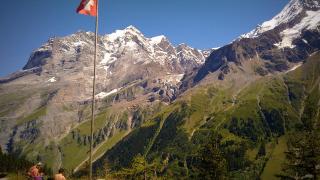
- The Swiss Alps cover 60% of the country, with peaks like the Matterhorn (4,478 m).
- Over 65,000 km of marked hiking trails connect alpine villages, such as Zermatt and Grindelwald.
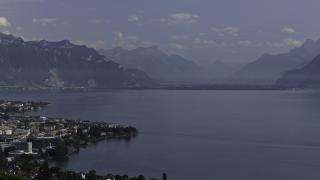
- Lakes like Brienz and Geneva allow canoeing, paddleboarding, and swimming from May to September.
- Winter brings skiing and snowboarding in resorts like Verbier and St. Moritz. Day ski passes range from CHF 50–90.
- Via ferrata routes, such as Mürren–Gimmelwald, offer secured climbing for all skill levels.
- Paragliding is popular in Interlaken, with tandem flights starting at CHF 170.
- Efficient trains and cable cars reach remote valleys and mountain summits year-round.
- Well-maintained campsites in regions like Val Müstair operate from late spring to early autumn.
- Activities suit all levels: family-friendly walks, technical climbs, or extreme canyoning in Interlaken.
- Safety is prioritized: signposted trails, avalanche warnings, and certified guides are standard.
Switzerland’s landscape and infrastructure make outdoor activities accessible, varied, and safe throughout the year.
Alpine Adventures: Hiking & Via Ferrata
Switzerland has over 65,000 km of marked hiking trails. Most routes are signposted in yellow, red, or blue. Trails range from easy valley walks to high-alpine paths. Many start near train stations or cable cars.
- Grindelwald First Cliff Walk: Access by gondola from Grindelwald. Features a metal walkway and suspension bridge. Height: 2,167 m. Entry is free with gondola ticket (CHF 32–64 return). Allow 1–2 hours.
- Lauterbrunnen Valley: Known for 72 waterfalls and flat trails. Hiking routes connect Lauterbrunnen, Wengen, and Mürren. Best in late spring to early autumn.
- Zermatt: Hikes offer Matterhorn views. The 5-Seenweg (Five Lakes Walk) is popular. Distance: 9.8 km, 2.5 hours. Free with a valid lift pass.
Via ferrata (Klettersteig) routes use fixed cables, ladders, and bridges.
- Mürren–Gimmelwald Via Ferrata: 2.2 km route, 600 m above the valley. Open June–October. Guided tours cost CHF 120–150, including gear. Self-guided possible with helmet, harness, and via ferrata set (rentals CHF 25–40/day).
- Suitable for fit hikers with no fear of heights. Minimum age: usually 12 years.
Best season: June to October for hiking and via ferrata. Snow may block high routes until late June. Always check weather and trail conditions. Guided tours are recommended for first-timers.
Snow Sports Hotspots
Switzerland’s snow sports scene is world-renowned.
- Verbier’s 4 Vallées offers 410 km of pistes. Ski passes start at CHF 79/day. Access by train to Le Châble, then gondola.
- Zermatt sits below the Matterhorn. It has 360 km of slopes. The Matterhorn Glacier Paradise allows year-round skiing. Day passes from CHF 83. Direct trains run to Zermatt; the village is car-free.
- St. Moritz is in the Engadin valley. It has 350 km of pistes. Known for hosting the Winter Olympics. Day passes from CHF 89. Accessible by Glacier Express or regional trains.
- Best snow: December to April. High-altitude resorts like Zermatt and Verbier offer reliable late-season snow.
- Local ski lifts operate daily from 08:30 to 16:30. Queues are shortest midweek.
- Rental shops are in every resort. Ski/snowboard set rental: CHF 45–65/day. Helmets: CHF 10/day.
- Group lessons: CHF 60–90 for 2 hours. Private lessons: CHF 120–180/hour. English-speaking instructors available.
- Guided off-piste tours require certified guides. Avalanche safety gear is mandatory.
- Always check local avalanche bulletins (SLF.ch). Helmets are strongly recommended. Weather changes quickly in the Alps—carry extra layers.
- Swiss Travel Pass covers most train routes to resorts. Local buses connect stations to lifts.
Lakes, Rivers & Waterfalls
Lake Brienz offers canoe and paddleboard rentals from CHF 25/hour. Rental shops are in Brienz and Iseltwald. Guided excursions run June–September. Lake Geneva has paddleboarding in Montreux and Lausanne. Rental prices start at CHF 30/hour. Marked lanes ensure safety. Life jackets are mandatory for all rentals. Oeschinensee provides rowing boats in summer (CHF 19/30 minutes). Water is cold year-round. Lake Lucerne features kayak tours from Weggis and Brunnen. Best conditions: July–August, mornings are calmest.
- Trümmelbach Falls in Lauterbrunnen: 10 glacier-fed waterfalls inside a mountain. Entry CHF 14/adult. Open April–November. Lift and tunnels lead to viewing platforms. Surfaces are wet and slippery—wear sturdy shoes.
- Rhine Falls near Schaffhausen: Boat trips to the falls’ base (CHF 7–20). Open year-round; peak flow in June–July.
Always check weather before water activities. Stay within marked zones. Supervise children closely. Many Swiss lakes have sudden depth changes.
Camping & Wild Stays
Camping in Switzerland is regulated. Wild camping is generally allowed above the tree line, but not in nature reserves or near huts. Val Müstair and Engadin offer official campsites with facilities. Prices range from CHF 15–30 per night. Most sites provide showers, toilets, and waste disposal. Wild camping requires permission from landowners below the tree line. Fires are often prohibited. Bear-proof food storage is essential in alpine regions. Use sealed containers or hang food away from tents. Pack a weatherproof tent, warm sleeping bag, and rain gear. Nights can drop below 0°C, even in summer. Campsites open May–October; some close in September due to snow. Always check local weather forecasts. Carry a Swiss topographic map (Swisstopo) for navigation. Leave no trace: pack out all waste. Fines apply for illegal camping or littering.
Smart Safety & Local Know-How
Check Swiss weather at meteoswiss.ch before any trip. Sudden storms are common in the Alps. Trail conditions and avalanche bulletins are updated at slf.ch. Mountain rescue: dial 144 or Rega at 1414. Yellow, red, and blue trail signs indicate difficulty; always follow local markings. Leave-no-trace is enforced in Swiss parks. Wild camping is only legal above the tree line and outside reserves. Respect wildlife: ibex, marmots, and chamois are protected—observe from a distance. In Val Müstair, use bear-proof storage for food. Insurance: Swiss mountain rescue often requires private insurance; Rega membership costs CHF 40/year. Checklist: carry a map, water, layers, cash (not all huts accept cards), and a Swiss plug adapter. Local etiquette: greet others on trails with “Grüezi.” Dogs must be leashed in many areas. Always pack out your rubbish.