

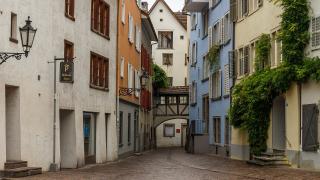

Swiss Identity: More Than Chocolate
Switzerland has four official languages: German, French, Italian, and Romansh. Each region uses its own language daily. Swiss-German is spoken in Zurich and Bern. French is common in Geneva and Lausanne. Italian is used in Ticino. Romansh is heard in parts of Graubünden. Neutrality shapes Swiss politics. Switzerland has not joined the EU or NATO. Direct democracy is central. Swiss citizens vote up to four times per year on local and national issues. Local pride is strong. Each canton has its own traditions, festivals, and foods. For example, Basel celebrates Fasnacht in February. Common misconceptions include the belief that all Swiss eat fondue daily. In reality, Swiss cuisine varies by region. Swiss punctuality is strict. Trains depart on time, often to the minute. Understanding these customs helps travelers avoid misunderstandings. For example, quiet hours (Ruhezeit) are enforced in residential areas after 10 p.m. Respect for rules and privacy is valued. Learning basic greetings in each language is appreciated. This awareness enhances your experience in Switzerland.
Everyday Etiquette: Do’s and Don’ts
Punctuality is essential in Switzerland. Trains, trams, and buses depart on time, often to the minute. Arrive five minutes early for meetings or social events. Being late is considered disrespectful.
Quietness is expected in public spaces. On SBB trains, designated 'Ruhezone' (quiet zones) require silence. Loud phone calls or music are frowned upon. In apartment buildings, avoid noise after 10 p.m. (22:00).
Greetings are formal. Use a firm handshake and direct eye contact. Address people with 'Herr' or 'Frau' plus their surname. In German-speaking areas, say "Grüezi"; in French-speaking, "Bonjour"; in Italian-speaking, "Buongiorno".
Language matters. Do not assume everyone speaks English. Attempt a greeting in the local language. Romansh is rare but respected in Graubünden.
Tipping is modest. Service is included in restaurant bills. Rounding up to the nearest franc or leaving 5-10% is common. For a coffee costing CHF 4.50, rounding to CHF 5 is polite.
Queuing is strict. Always wait your turn at Migros, Coop, or post offices. Cutting in line is unacceptable.
Table manners are formal. Keep hands visible, but not elbows, on the table. Wait for 'En Guete' before eating.
Common mistakes: Speaking loudly, being late, or ignoring local languages. Avoid these to show respect.
Traditions Alive: Festivals & Customs
Fasnacht is Switzerland’s largest carnival. Basel’s Fasnacht starts at 4:00 a.m. on the Monday after Ash Wednesday. Parades, lanterns, and masked participants fill the streets for 72 hours. Sechseläuten in Zurich takes place every April. Locals burn the "Böögg," a snowman effigy, to predict summer weather. Fête de l'Escalade in Geneva happens each December. Residents dress in historical costumes and parade through the Old Town. Alpine cow parades occur in late September. Farmers lead decorated cows down from mountain pastures in regions like Appenzell and Valais. Yodeling and Alphorn performances are common at summer festivals in rural Bernese Oberland. Schwingen (Swiss wrestling) is a traditional sport. Major tournaments, like the Eidgenössisches Schwing- und Älplerfest, take place every three years. Seasonal markets include Zurich's Christmas market and Bern’s Onion Market (Zibelemärit) in November. Travelers can watch parades, taste local foods, and buy crafts. Entry to most festivals is free; reserved seating or grandstands may cost CHF 20-50. Always ask before taking photos of participants. Dress warmly for winter events. Respect local customs and follow event rules.
Swiss on a Plate: Food Culture Explained
Fondue and raclette are traditional Swiss dishes. Both use local cheese, often Gruyère or Emmental. Fondue is shared at the table, served with bread cubes. Raclette features melted cheese scraped over potatoes and pickles. Rösti is a Swiss-German specialty. It is a crispy potato pancake, often eaten for breakfast or as a side. In Ticino, try risotto or polenta with local sausage. Swiss menus list dishes by language region. Prices for a main dish range from CHF 18 to CHF 40. Lunch is usually served from 12:00 to 14:00. Dinner starts at 18:00 or 19:00. Many restaurants close between lunch and dinner. Table service is common. Wait to be seated unless a sign says "Selbstbedienung" (self-service). Tipping is not required; service is included, but rounding up is polite. Order by dish name or menu number. Tap water is safe but may cost CHF 2–3 if ordered in restaurants. Local markets operate weekly in most towns. Zurich’s Bürkliplatz market runs on Tuesdays and Fridays. Food festivals, like Fête de la Châtaigne in Ticino, celebrate regional products. Reservations are recommended for dinner, especially on weekends.
Regional Flavors: Language & Local Life
Switzerland has four language regions.
- German is spoken in Zurich, Bern, and Lucerne. French is used in Geneva, Lausanne, and Neuchâtel. Italian is spoken in Ticino and parts of Graubünden. Romansh is present in some villages of Graubünden.
- Road signs, train announcements, and menus change language by region. In Zurich, signs are in German. In Lausanne, they are in French. In Lugano, expect Italian. Romansh appears on signs in Surselva and Engadin.
- Regional cuisine reflects language. In Ticino, polenta and risotto are common. In Vaud, try Papet Vaudois. In Bern, order Rösti. Romansh areas serve Capuns and Pizokel.
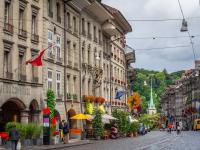
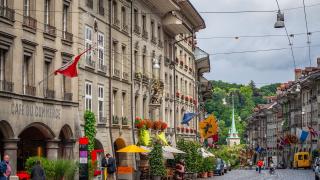
- Architecture differs. The French region has châteaux and pastel shutters. The Italian region features arcades and piazzas. The German region has timbered houses and steep roofs.
- Attitudes vary. The German region is formal and punctual. The French region is more relaxed. The Italian region is expressive and sociable. Romansh villages are close-knit and traditional.
- Travelers should greet in the local language. Use "Grüezi" (German), "Bonjour" (French), "Buongiorno" (Italian), or "Allegra" (Romansh).
- English is widely understood in cities, less so in rural areas. Carry a phrasebook or translation app for remote villages.
Culture-Savvy Traveler: Quick Tips
Always greet with 'Grüezi' (German), 'Bonjour' (French), or 'Buongiorno' (Italian) in shops and restaurants.
- Remove shoes when entering Swiss homes. Hosts may offer slippers.
- Keep voices low in public. Loud conversation is frowned upon, especially on trains.
- Tipping is not required. Round up the bill or leave small change (CHF 1-2) if service is excellent.
- Respect Sunday quiet hours. Lawn mowing and loud activities are prohibited by law.
- Recycling is mandatory. Use local bins for PET, glass, and aluminum. Fines start at CHF 100 for violations.
- Learn about Swiss culture at the Landesmuseum Zürich (CHF 10, open 10:00–17:00). Guided city tours in Bern or Lucerne cost around CHF 20–25.
- Download the "Swiss Customs" app for etiquette tips in all four languages.
Embrace differences. Swiss culture values privacy, order, and respect for rules. Adapting enriches your travel experience.